
Healthy Grass Without Daily Watering
Lawn Irrigation in Belton for properties facing uneven coverage and dry patches
Freytag Irrigation & Pool Service installs and maintains lawn irrigation systems designed for the Central Texas climate, where high summer temperatures and irregular rainfall can turn turf brown within days. Automated systems deliver water precisely where roots need it, reducing runoff and preventing the overwatering that leads to fungal growth and shallow root development. Property owners throughout Belton rely on properly zoned irrigation to maintain consistent green coverage without manual hose work or guesswork about watering schedules.
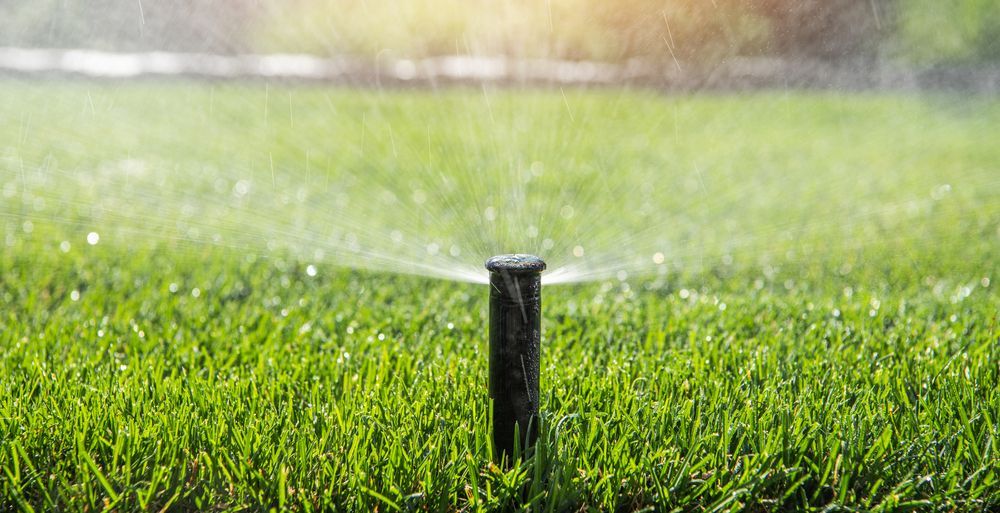
Lawn irrigation systems divide your property into zones based on sun exposure, slope, and plant type, with each zone receiving water through sprinkler heads calibrated for coverage area and soil absorption rates. Controllers automate watering cycles according to seasonal needs, and rain sensors prevent unnecessary operation during wet periods. The goal is to deliver one inch of water per week during growing season, applied in deep, infrequent sessions that encourage root growth below the surface layer.
Schedule a property evaluation to determine zone requirements and head placement for complete lawn coverage.
What Proper Lawn Irrigation Requires
Installation begins with mapping your property to identify areas with different water requirements—shaded zones under trees need less frequent watering than open turf exposed to afternoon sun, and sloped sections require slower application rates to prevent runoff before soil absorbs moisture. Sprinkler heads are positioned to provide overlapping coverage patterns that eliminate dry strips between zones, and each valve controls a group of heads that share similar watering needs.
Once the system is operational, you'll notice grass maintaining color during dry stretches without daily attention, and water bills stabilize because automated timers prevent the overwatering that occurs with manual hose use. Soil stays consistently moist at root depth rather than wet at the surface, which reduces weed germination and creates turf that withstands foot traffic better than shallow-rooted grass dependent on frequent light watering.
Systems include backflow prevention devices to meet municipal codes, and control boxes with battery backup maintain programmed schedules during power outages. Head types vary by zone—rotary heads cover large open areas with slower precipitation rates, while spray heads work for smaller sections and tight corners where coverage radius is limited.
Property owners in Belton typically ask about system design, seasonal adjustments, and maintenance requirements before installation begins.
Questions Before Starting Your Project
How is zone layout determined for my property?
Zone design accounts for sun exposure, soil type, slope, and turf variety, with separate circuits for areas that dry out faster or receive natural shade during peak heat hours.
What happens during periods of drought restriction?
Controllers can be manually adjusted or programmed with reduced run times to comply with local watering schedules, and systems remain ready to resume normal operation once restrictions lift.
How often do sprinkler heads require maintenance?
Heads should be inspected each spring for clogs, misalignment, or damage from lawn equipment, and filters cleaned to maintain spray patterns that prevent dry spots.
Why does Central Texas clay soil affect watering schedules?
Clay absorbs moisture slowly and holds water longer than sandy soil, requiring shorter run times with breaks between cycles to allow absorption without runoff down driveways or into street drainage.
What indicators suggest a system needs repair?
Uneven grass color, pooling water around specific heads, or zones that fail to activate point to valve failures, broken lines, or controller malfunctions that reduce coverage efficiency.
Freytag Irrigation & Pool Service designs systems matched to your property's specific layout and soil conditions throughout the Belton area. Request a site assessment to review coverage options and controller features for automated lawn care.